Blog ·
The Art of Storytelling Through Wedding Cinema
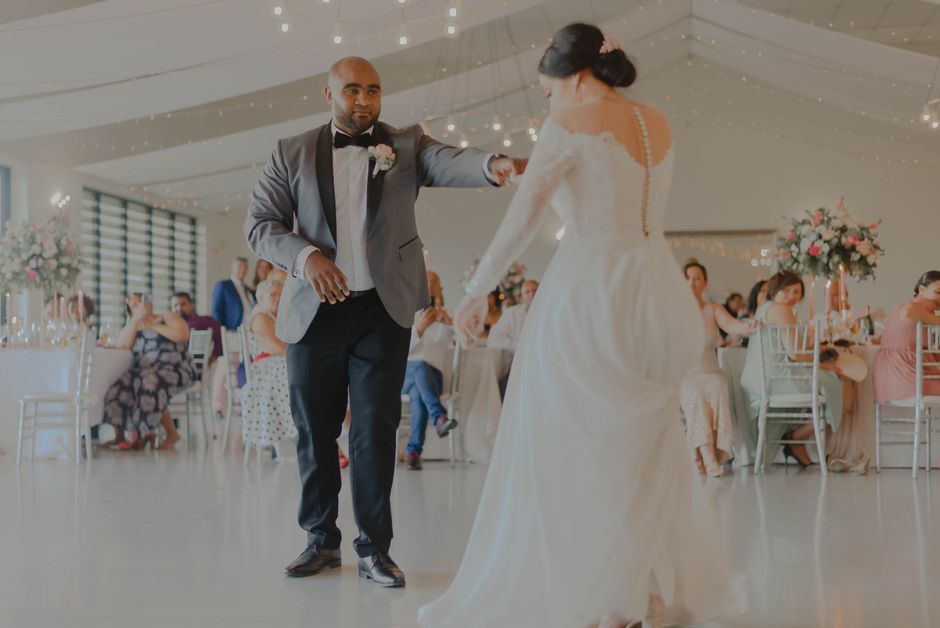
Every Wedding Has a Unique Story
The best wedding videos aren't just edited highlights set to music—they're narratives that tell your love story. Every couple has a unique beginning, different values, and distinct personalities. A cinematic approach to wedding videography captures these elements through visual storytelling, not just event coverage.
Great wedding cinema starts with understanding your story. How did you meet? What makes your relationship distinct? When you share these details with your videographer, they can weave these narratives throughout your film. Perhaps there's a meaningful location where you first met, or a shared passion that influenced your wedding theme. These elements become the threads connecting scenes.
Visual Themes and Cinematic Language
Cinematic wedding films use visual language to convey emotion. The movement of your dress as you walk, the genuine smile that crosses your partner's face, the way your grandmother clutches her tissue during vows—these micro-moments, captured with intention, create emotional depth.
Professional wedding videographers use cinematic techniques: subtle camera movements that draw the viewer's eye, color grading that sets mood, and sound design that enhances emotion. A slow pan across your reception flowers, underscored by soft music, conveys elegance differently than quick cuts. The pacing of editing matches the emotional arc of your day.
Capturing Authentic Emotion
The most powerful wedding films feature genuine, unguarded moments. These aren't posed shots but rather candid reactions: your parent's tears during the processional, laughter shared with your best man during photos, the private moment when you see your partner at the altar. These authentic moments resonate because viewers recognize real human emotion.
From Coverage to Narrative
The difference between event coverage and cinematic storytelling lies in selection and intentionality. A videographer might capture eight hours of footage, but a cinematic film uses perhaps thirty to forty minutes of the most emotionally resonant moments, arranged to tell a coherent story rather than chronological documentation.
This selective editing creates pacing that maintains viewer engagement. Your film might open with a poetic sequence of preparation, build through ceremony emotion, crescendo during your first dance, and conclude with intimate moments reflecting your day's joy.
When you choose cinematic videography, you're choosing to preserve not just what happened at your wedding, but how it felt to live it. Years later, watching your film will transport you back to the emotions, the joy, and the significance of that day.